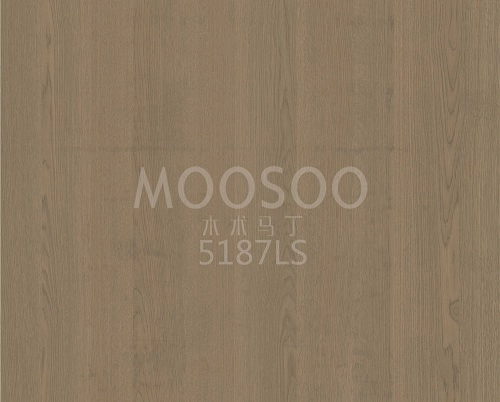
White Oak modern slat panels have become a popular choice in both residential and commercial design due to their blend of natural beauty, structural integrity, and versatility. These panels combine the warm tones of white oak with precise manufacturing techniques to create functional and aesthetically appealing surfaces. Below is an in-depth exploration of their design, technical specifications, installation considerations, and practical applications.
White Oak Properties
White oak is a hardwood species known for its durability, resistance to moisture, and tight, straight grain. These characteristics make it ideal for slat panel applications where structural stability and longevity are essential. Key properties include:
Panel Composition
Modern slat panels typically consist of multiple white oak strips laminated or mechanically joined onto a backing material. Options include solid wood slats, engineered wood, or composite cores. Considerations in material selection include weight, stability, and acoustic performance.
Slat Dimensions and Spacing
Surface Treatments
White oak panels can be finished with clear coatings, stains, or oil-based treatments. Technical considerations include:
Backing Systems
Mounting Methods
Dimensional Stability
White oak expands and contracts with changes in humidity. Proper acclimatization of panels before installation is critical to prevent warping or cracking. Recommendations include:
Slat panels can enhance a room’s acoustic profile by reducing echo and controlling sound reflection. Technical factors include:
Environmental sustainability is also important. White oak is often sourced from certified forests (FSC or PEFC), and engineered panels reduce the use of solid wood, minimizing environmental impact.
Residential
Commercial
Architectural Integration
White oak slat panels can be combined with lighting (LED strips), glass, or metal inserts to create dynamic architectural features. Their modular nature allows for customization in pattern, height, and orientation.
Routine maintenance involves dusting, periodic cleaning with non-abrasive wood cleaners, and re-oiling or re-finishing when necessary. With proper care, high-quality white oak slat panels can last decades, retaining both structural integrity and visual appeal.
Designers are increasingly exploring hybrid applications, such as:
White Oak modern slat panels offer a sophisticated solution for architects, designers, and homeowners seeking a balance of style, durability, and functionality. Their natural aesthetic, combined with technical versatility, makes them suitable for a wide range of environments—from high-end residential interiors to acoustically sensitive commercial spaces. Proper material selection, installation techniques, and maintenance ensure these panels remain a long-lasting and impactful design element.